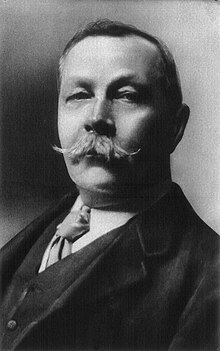
 I appreciate that it has been some time since last I made a post and to be honest it's entirely my own fault. I've been working my butt off trying to get my first chapter...or rather technically second chapter completed and I guess this is more an update than a proper post. I do promise a proper full length post on my dear A.C.D at some point in the near future.
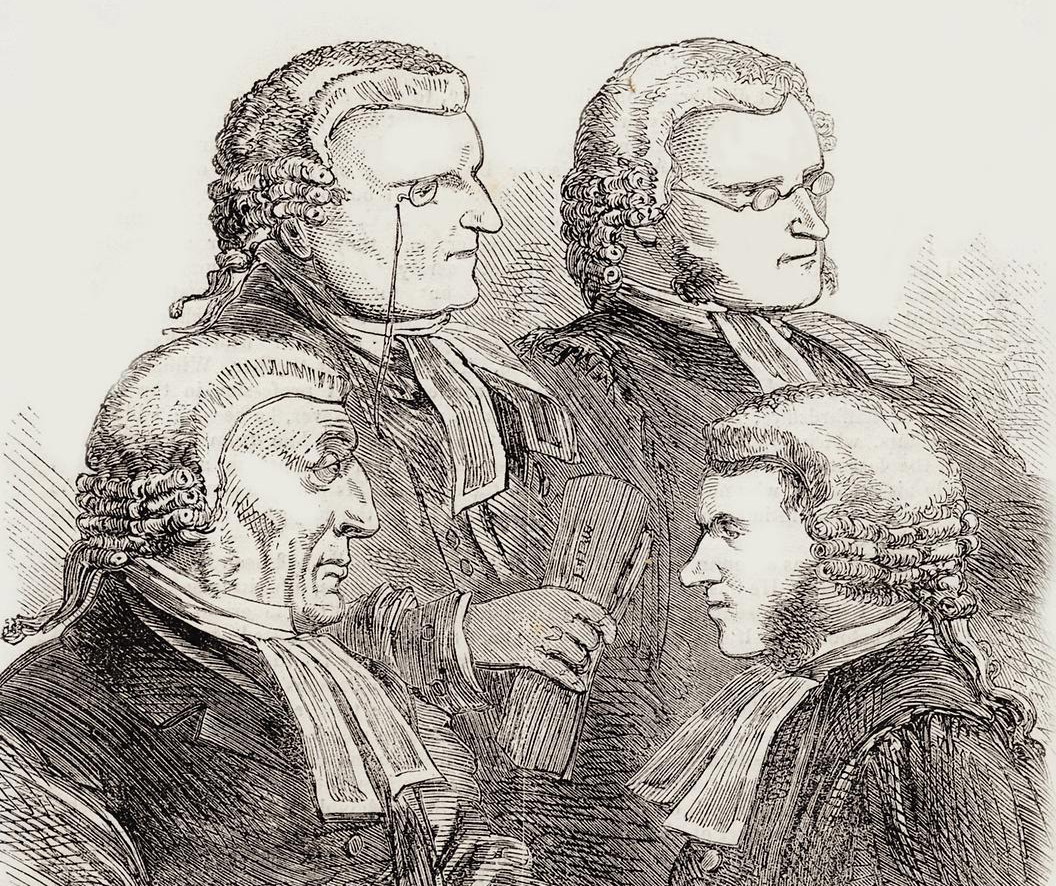
 I decided against writing my first chapter for a myriad of reasons but really it's because I felt that it would be easiest to write at the end of this process since it sort of chronicles the entirety of the Victorian period rather than a distinct idea as the rest of the chapters. So the second chapter it was! It is an examination of the expression legal procedural ideologies in 3 Victorian novels. I was a little iffy on it at the start but it really gathered pace and I think is a long over looked reading of the Victorian novel.
The Chapter's title is an adaptive process, since the thrust of the argument has developed as I wrote it the original title of 'A Trying Situation: The Writer and the Legislative Process' no longer applies and I am searching for a new one -although it is proving more elusive than originally anticipated.

To say that I was nervous about feedback was something of an understatement, I've been climbing the walls for three days over it, waiting for someone to tell me it's terrible that I really need to reconsider my life choices and that KFC is still hiring. In the end however, it was no where near as bad as anticipated, in fact, it was really rather affirming, with my supervisor, who is a George Eliot specialist telling me that he found my argument excellent and my topic 'brilliantly unique.' *cue excited blush* From him, at least, it's high praise, a bit like Andrea Bochelli telling you that you can sing.
 My chapter in the end is 18,000 words in length, which seems over long as I intended to make each chapter between 10-12,000. It seems overlong but I have assurances from my supervisor that there is nothing he would remove and that the length issue will sort itself out as I write other chapters, since there is room for cross over which will facilitate trimming the fat later.
 So my confirmation of registration Viva is in a few weeks, the 25th of be precise and while my feedback has calmed me somewhat I am still as nervous as heck about it. I anticipate spending the next fortnight like a rabid dog, killing dead things and with rapidly diminishing sanity and patience. In final news I got my studentship, 18k a year to help my research, including a fee waiver and a £1,000 budget for conferences and academic facilities I might need. Very excited by that!